AI Sleep Checklist: A Simple Plan for Better Rest
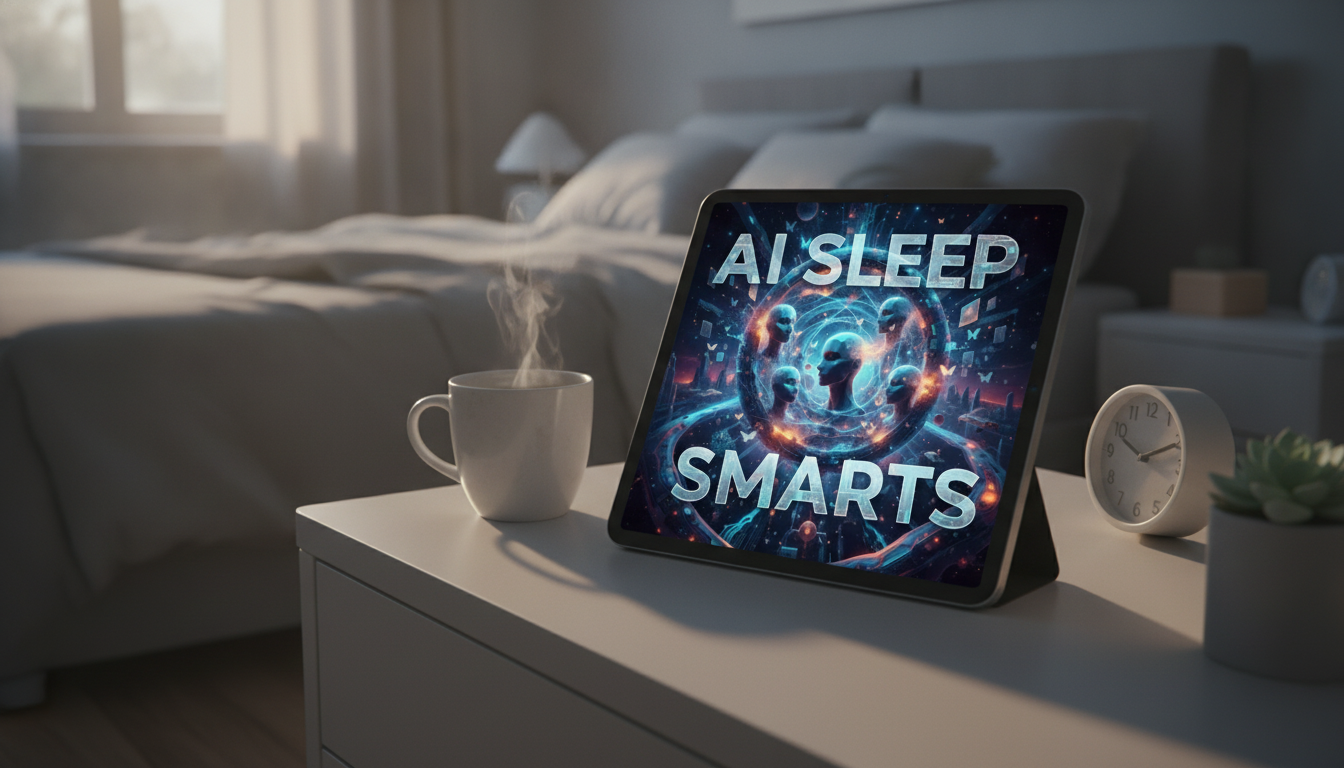
AI Sleep Smarts Checklist: A Digital Sleep Optimization Guide for Better Rest
Better sleep is easier to achieve when nightly habits, environment, and daily rhythms are tuned with clear, repeatable steps. This checklist-style guide organizes practical sleep upgrades into quick wins, weekly adjustments, and data-informed refinements—plus a simple way to turn AI-generated suggestions into a routine that actually sticks.
What “sleep optimization” means in practice
Sleep optimization is the practical process of making sleep more consistent, restorative, and predictable by adjusting the inputs that most reliably affect rest. The highest-return focus areas tend to be schedule consistency, light exposure (day and night), a repeatable wind-down routine, bedroom conditions, and stimulant/timing choices (especially caffeine and alcohol).
A checklist approach helps because it reduces decision fatigue. Instead of guessing what to try each night, a short set of defaults makes improvements easier to repeat—and therefore easier to measure.
AI recommendations are most useful when they’re layered on top of a few stable baselines. When wake time, a caffeine cutoff, and a consistent pre-bed routine stay steady, it’s far easier to tell whether a suggested tweak actually helped.
Set a stable baseline before using AI suggestions
Before chasing “perfect” sleep, anchor a few basics for a week. A consistent wake time (even on weekends when possible) is often the most powerful lever because it sets circadian timing and builds reliable sleep pressure for the next night.
Next, aim for a predictable sleep window. If bedtime is currently inconsistent, adjust gradually in 15–30 minute steps every few nights. Big jumps can backfire and create rebound insomnia—being in bed longer without sleeping can train the body to stay alert.
Finally, track a minimal dataset for seven nights. This doesn’t need to be complicated; it just needs to be consistent.
| Item to track | Why it matters | Easy way to record |
|---|---|---|
| Bedtime / lights out | Shows time available for sleep and routine consistency | Phone note or sleep app log |
| Wake time | Anchors circadian rhythm and sleep pressure | Alarm history or wearable |
| Night awakenings | Highlights fragmentation triggers (heat, light, stress, alcohol) | 1–5 count each morning |
| Caffeine timing | Late intake can delay sleep onset and reduce deep sleep | Note last caffeinated drink time |
| Alcohol timing | Can increase awakenings later in the night | Note drinks + time |
| Exercise timing | Supports sleep drive; late intense workouts may be activating for some | Morning/afternoon/evening tag |
| Morning energy | Checks whether changes translate to daytime function | 1–10 rating |
Nighttime environment checklist (fast upgrades)
Light
Keep the room as dark as possible, including reducing hallway light spill. If blackout curtains aren’t realistic, a comfortable sleep mask can be a quick fix. Even small light leaks can increase the chance of early waking for some people.
Noise
Prioritize consistency over silence. A steady fan or white noise can be easier for the brain to ignore than unpredictable spikes (doors, traffic, neighbors). If you want a stronger, fuller sound profile, a dedicated speaker can help maintain an even, low background level at night.
If you’re setting up a simple sound routine, consider pairing your nightly checklist with a consistent audio track on a device like the Portable 60W Bluetooth Speaker with Class D Amplifier and Deep Bass.
Temperature
Many sleepers do best in a slightly cool bedroom. If temperature is hard to control, aim for “layer flexibility”: sheets and a blanket you can adjust quickly after a night awakening without turning on bright lights.
Bed use
Keep the bed reserved for sleep and intimacy. Doing work, scrolling, or stressful conversations in bed can weaken the mental association between “bed” and “sleepiness,” making it harder to drift off.
A 30–60 minute wind-down that’s easy to repeat
A strong wind-down doesn’t need to be elaborate. It needs to be repeatable. Create a simple “power-down” sequence: dim lights, set devices to night mode, and shift to low-stimulation activities (reading, stretching, calm music, light cleanup).
Use a consistent routine starter to cue sleepiness—same time, same playlist, same tea, or the same shower. The goal is to teach the brain that a specific sequence predicts sleep.
Daytime levers that improve the night
Morning light
Caffeine
Naps
Exercise
How to turn AI sleep recommendations into a workable plan
When choosing what to tackle first, prioritize low-effort, high-impact adjustments: wake time consistency, caffeine cutoff, and light management. A structured download can make this easier to follow night after night—see the AI Sleep Smarts Checklist and the Digital sleep optimization guide download for a ready-to-use routine.
Watch for red flags where professional guidance is appropriate, including loud snoring with breathing pauses, severe daytime sleepiness, or persistent insomnia despite consistent habits. For more sleep education from authoritative sources, visit American Academy of Sleep Medicine — Sleep Education, NHLBI — Healthy Sleep, or the CDC — Sleep and Sleep Disorders.
Printable-style checklist for a better night (quick scan)
FAQ
How fast can sleep improve after making changes?
Small gains can show up within a few nights, such as falling asleep faster or waking less often. More stable improvements commonly take 1–3 weeks of consistent timing and environment changes.
What data should be shared to get useful AI sleep recommendations?
Share a 7-night baseline with bed/wake times, awakenings, caffeine and alcohol timing, exercise timing, naps, and a morning energy rating. If possible, add notes about bedroom temperature, light, and noise.
When should sleep problems be discussed with a clinician?
Talk with a clinician if symptoms persist for months, if there’s loud snoring or breathing pauses, severe daytime sleepiness, restless legs symptoms, or if insomnia affects safety, mood, or work performance.






Leave a comment